WINTER MEANDERINGS
THE NEFF ZONE -- BY JIM NEFF
CADILLAC NEWS -- FEBRUARY 7, 2026
It's still winter out there, so it's a good time to meander through some seasonal thoughts. If nothing else, these give us some fodder for cabin fever conversations.
If you are anticipating spring, a couple of things signal the end of this cold tunnel. One is that daylight saving time is right around the corner. “This year’s spring DST will take place at 2 a.m. on Sunday, March 8. At that time, clocks will spring forward an hour giving most people in the U.S. an extra hour of sunlight in the evening.” (https://www.mlive.com/news/2026/02/daylight-saving-time-turn-your-clocks-ahead-earlier-this-year.html)
Following the DST switch comes a traditional harbinger of spring. “Bell's Brewery is looking forward to spring with the return of Oberon Day on Monday, March 23. Oberon Day was recognized as an official state holiday in 2022.” (https://www.mlive.com/news/kalamazoo/2026/01/springtime-is-around-the-corner-oberon-day-return-of-oberon-light-announced.html)
While you're waiting for spring, you still have a chance to go outdoors and smell winter. “Winter air smells so good because there’s simply fewer aromas competing for your attention. Warm air holds more moisture, and that moisture helps carry smells. In summer, heat and humidity intensify odors from soil, plants, pavement, garbage, and pollution, creating a thick mix of scents. Cold air behaves differently. Fewer of those odor molecules are released into the air. The result isn’t that winter air smells like anything especially good — more accurately, it smells like less.” (https://interestingfacts.com/why-winter-air-smells-good/)
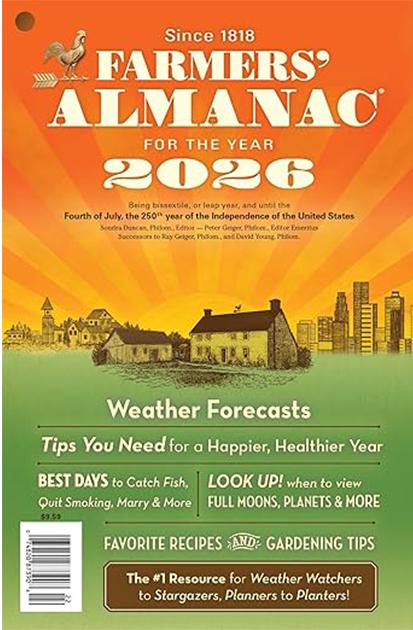
One weather prognostication source has been in place since 1818 – The Farmers Almanac. Weather accuracy aside, it has always been fun to read. Rumors were that it was going out of business, but now that is no longer the case. “It's been acquired by Unofficial Networks, a digital publisher focused on skiing and outdoor recreation. That means the almanac will keep operating. A new Farmers’ Almanac website will be 'a living, breathing publication with fresh, daily content' and there are plans to bring back a print edition.” (https://abcnews.go.com/Business/wireStory/after-200-years-farmers-almanac-bets-digital-reboot-129712007)
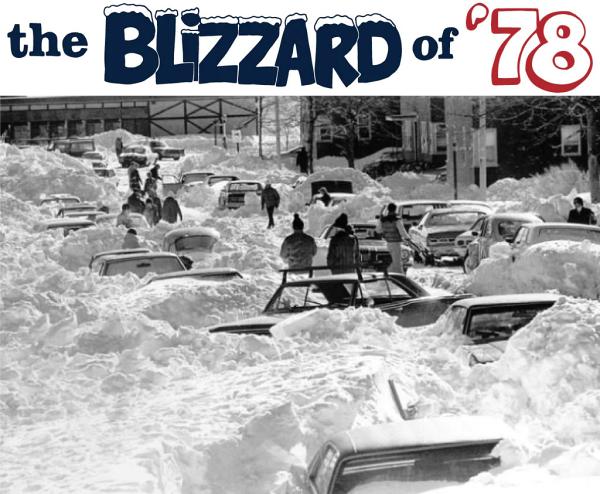
Like many other sources, the Almanac predicted a severe winter one year. The catastrophe that happened is part of Michigan lore – the Blizzard of 1978. “On January 26-27, 1978, snowstorms with fifty-to-seventy-mile per hour winds pummeled much of Michigan. Snowfall totals ranged from eighteen inches in Lansing to an incredible fifty-one inches in Traverse City. More than 100,000 cars were abandoned on roads and highways, and travel was impossible for days. The governor estimated damage totals to be more than $25 million, not including lost productivity from workers who were unable to get to their jobs.” (https://leelanau.com/remembering-michigans-ultimate-snow-day-the-blizzard-of-78/)
During a winter weather event a main concern is staying warm. TheSpruce.com had an interesting opinion about keeping your house cozy. “Heating a home during the cold winter months of the year can lead to a significant increase in your energy bills. Many homeowners attempt to find ways to lower the bill. As such, some homeowners try closing vents in unused spaces. However, this idea has some major flaws. We spoke to HVAC experts to find out exactly what happens when you close vents in unused rooms.”
According to the article, closing vents is not recommended. “Closing vents creates back pressure in the ductwork, forcing your furnace to work harder to push air through the vents that are open. Your HVAC ends up working overtime. Your system doesn't adjust for closed vents and will still produce the same amount of heated air. Closing vents creates an imbalance that can potentially lead to needing repairs in the future. Steady airflow and balanced distribution are critical to heating efficiency, and isolating individual rooms from the system does not help with this." Experts recommend consulting with a professional HVAC company. (https://www.thespruce.com/should-you-close-vents-in-unused-rooms-11885922)
If you do get a chill and wind up under the weather, it's wise to imbibe liquids. RealSimple.com offers some advice. “Plenty of healthy options come to mind: ginger tea, orange juice, and maybe even some neon-colored Gatorade. We asked health experts what’s the one drink you should chug when you’re sick that outshines them all.”
This is a “less is more” situation. Plus, it's pretty cost effective. “The message is clear: Water is the foundation of recovery. Although many different fluids can offer help to the specific symptoms an individual is experiencing, one of the most important fluids to drink when sick is water. Water is important for everyday health and can help prevent dehydration when the body’s immune system is put to action to fight off an infection.” (https://www.realsimple.com/what-to-drink-when-you-are-sick-11895285)
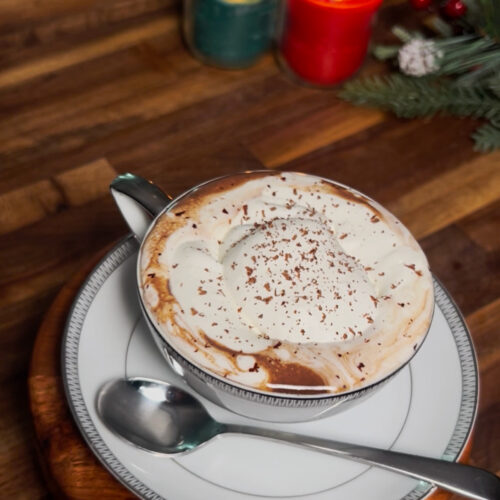
Finally, during the winter, a steaming cup of hot chocolate really hits the spot. A recipe from 1816 could be the ultimate indulgence. “This German hot chocolate is rich, velvety, and unmistakably aristocratic.” The history and recipe is at: https://eatshistory.com/the-history-of-hot-chocolate-a-classic-recipe-from-1816/.
How luxurious is this nectar? “Unlike modern powdered cocoa mixes, this version is built on real chocolate, whole milk, egg yolks, sugar, and spice, creating a texture closer to a light custard than a drink. It is deeply comforting and feels perfectly suited to winter evenings. This is the kind of hot chocolate meant to be sipped slowly, not gulped, and it makes clear why chocolate was once reserved for Europe’s elite.”
Jim Neff is a local columnist. Read Neff Zone columns online at CadillacNews.com and NeffZone.com/cadillacnews.